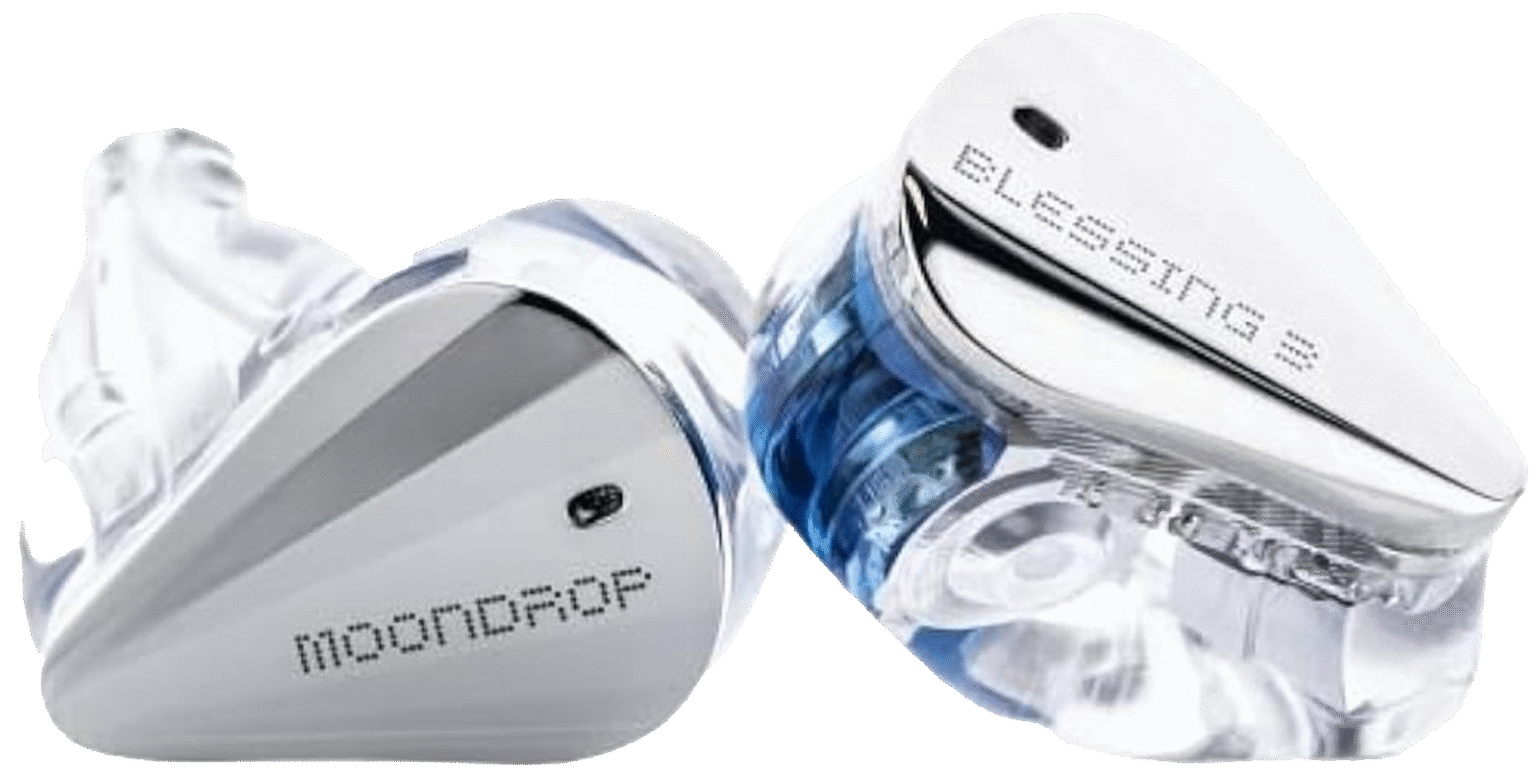
“If you want holographic stage, deep planar‑like bass, and crystalline treble wrapped in elegance, Blessing 3 is the hymn where Moondrop sings its purest harmony.”
The Moondrop Blessing 3 elevates the Blessing line’s signature hybrid tuning — with dual dynamics for clean sub‑bass and balanced armatures for razor‑sharp mids and treble detail. It’s an audiophile‑leaning W‑shape: immersive yet precise, musical yet honest. While its fit and upper‑treble energy may not suit everyone, few IEMs under $350 deliver this level of refinement and technical depth.
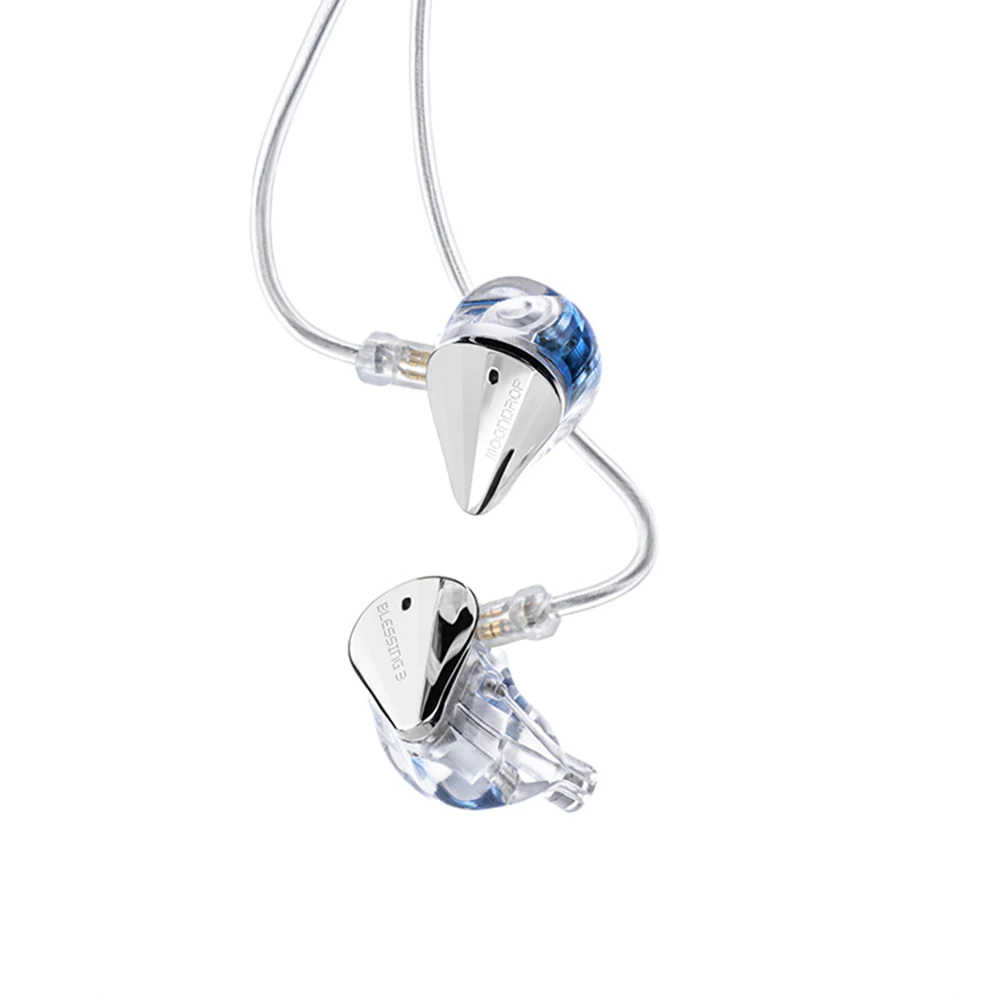
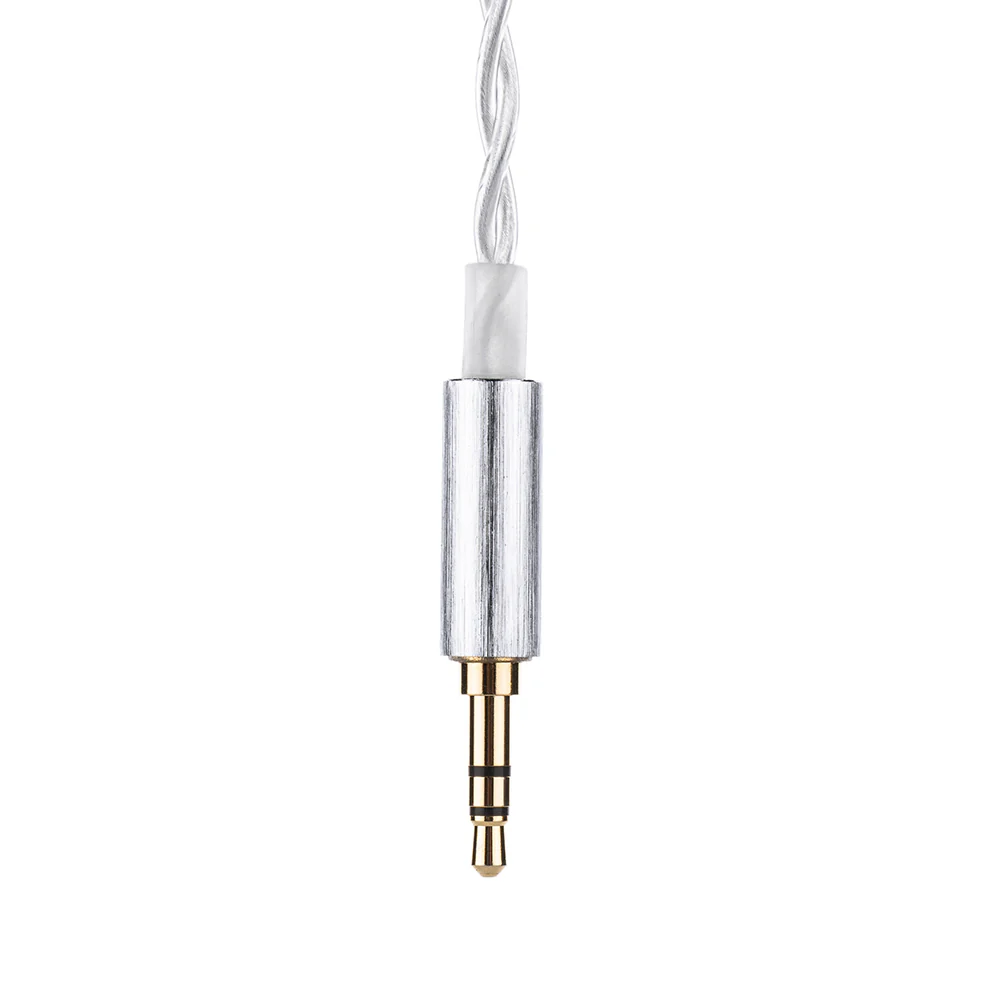
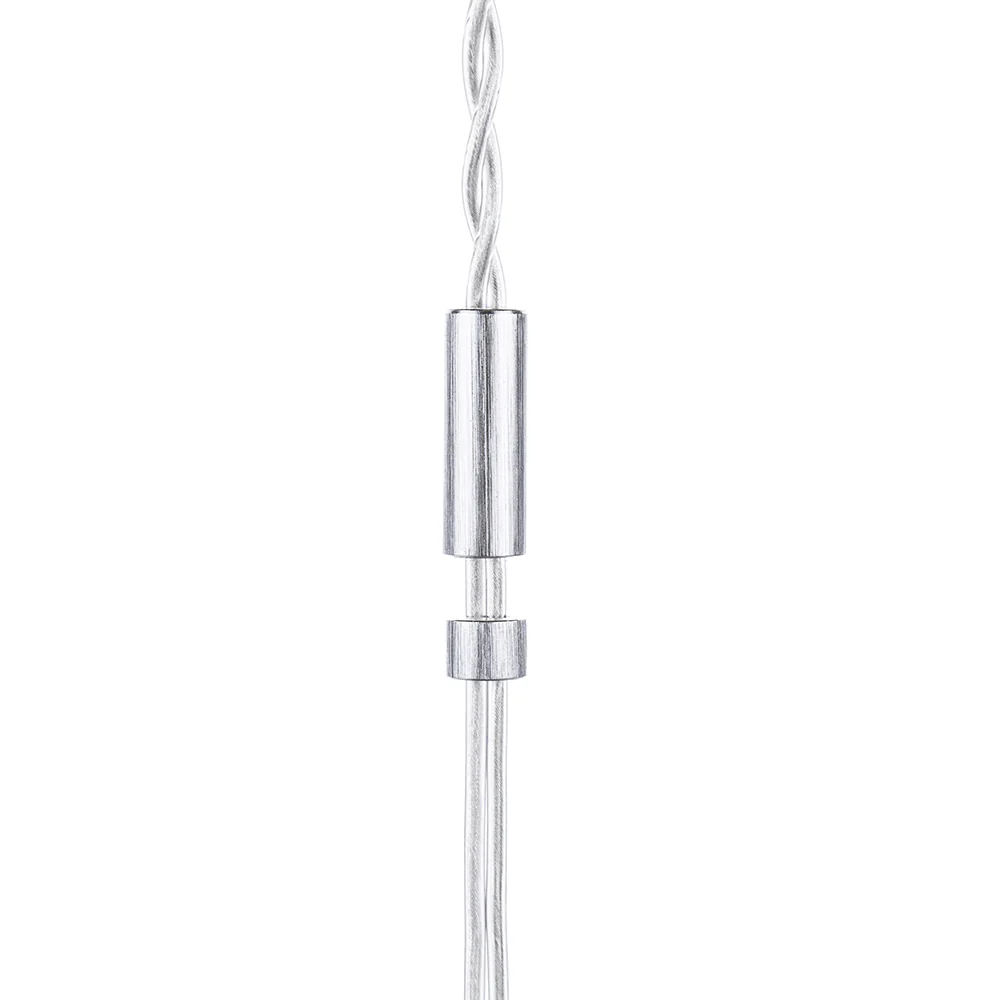
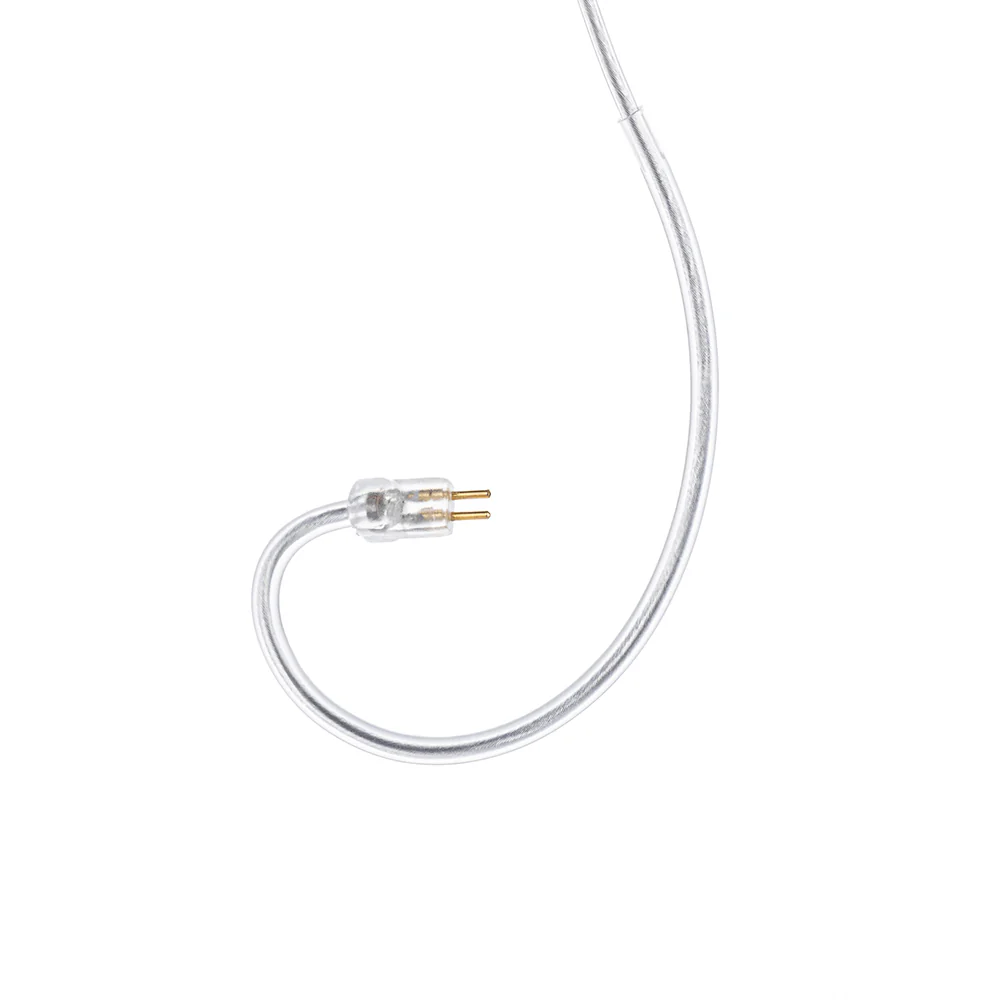
Cable: Detachable 0.78 mm 2‑pin silver‑plated copper cable (modular terminations)
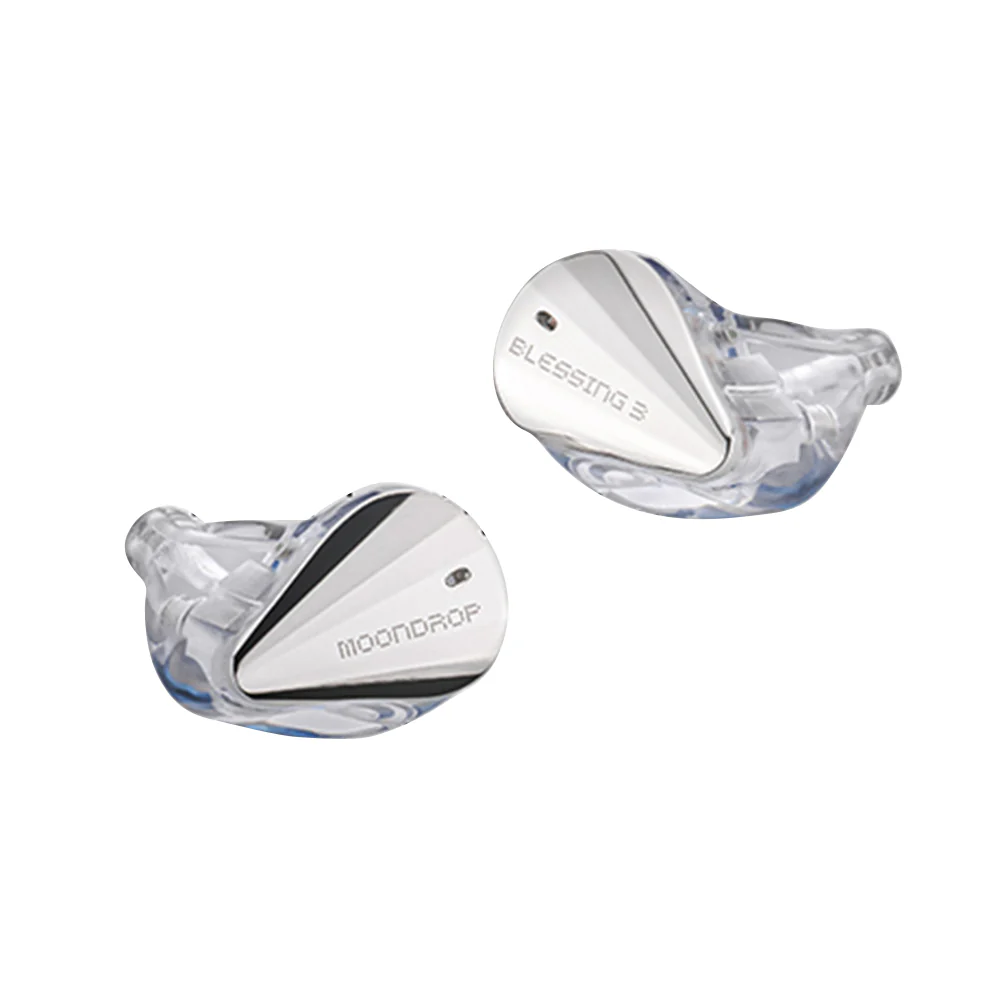
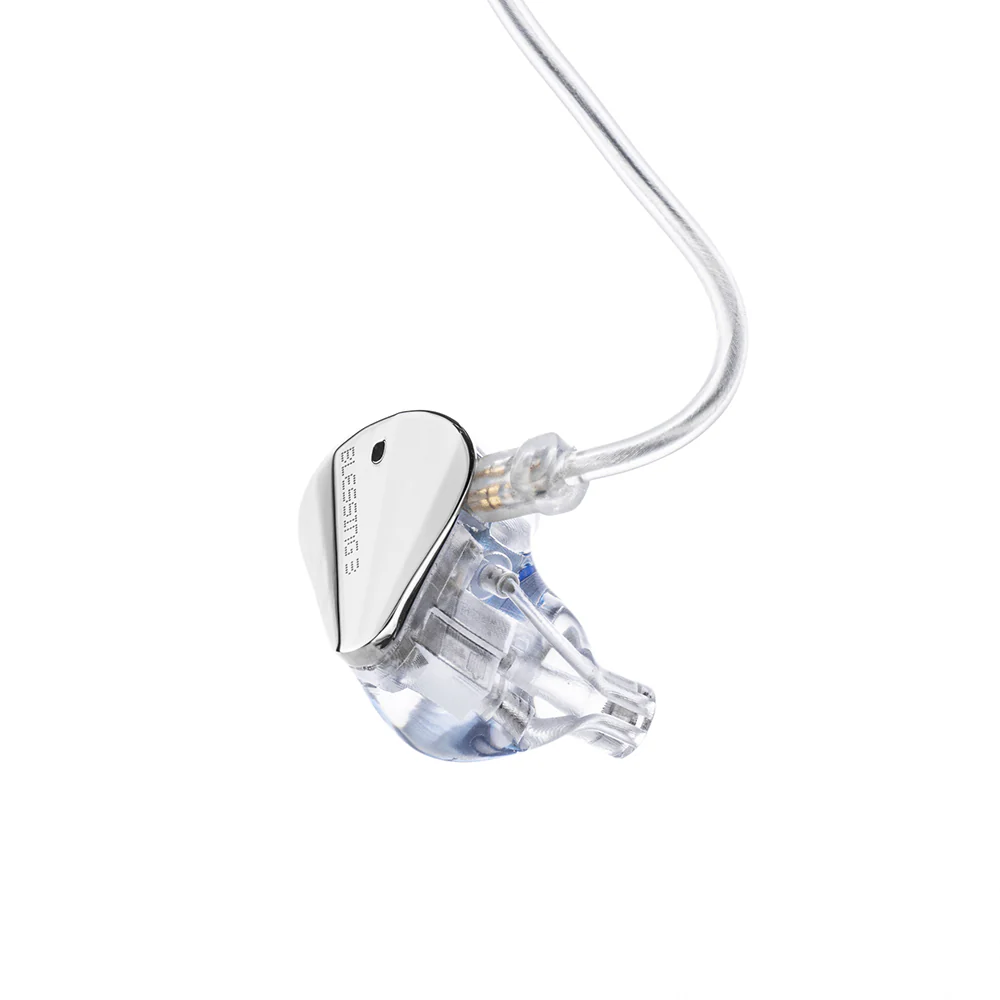
Shell Material: 3D‑printed medical‑grade resin with stainless steel faceplate
MSRP at Launch: USD 319 (₱18 K locally)
Buy this on:
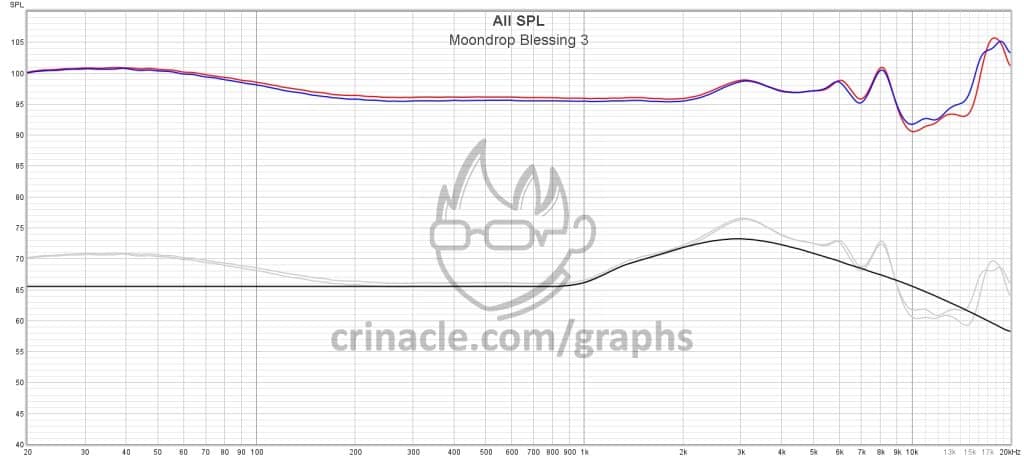
Left Channel (Red Line) Bass: Slightly smoother rise in sub‑bass; delivers clean yet weighty low‑end without mid‑bass bloom. Consistent texture — ideal for tracks needing tight kick drums or cinematic rumble.
Treble: More controlled 8–10 kHz peak compared to right channel — less risk of sibilance, offering a smoother sparkle and slightly more relaxed presentation.
Right Channel (Blue Line) Bass: Practically identical sub‑bass extension; minor variation in mid‑bass hump gives a touch more impact — barely noticeable in real‑world use.
Treble: Marginally brighter 7–9 kHz region — adds crispness and microdetail, but can highlight sibilance more on certain recordings.
Pros
Cons
Exceptional detail retrieval and layering for its price.
Slight treble sharpness can fatigue sensitive listeners.
Deep, tight sub‑bass with clean mid‑bass control.
Lower mids slightly recessed — male vocals may lack warmth.
Spacious soundstage with holographic imaging.
High power demand — scales with better sources.
Premium build: resin shells with stainless steel faceplates.
Fit may be bulky for smaller ears due to large shell size.
Pros
Exceptional detail retrieval and layering for the price.
Deep, tight sub‑bass with clean mid‑bass control.
Spacious soundstage with holographic imaging.
Premium build: resin shells with stainless steel faceplates.
Cons
Slight treble sharpness can fatigue sensitive listeners.
Lower mids slightly recessed — male vocals may lack warmth.