“If you dream of planar clarity without the planar price, Dioko is the window — crisp, airy, and honest to every note it lets through.”
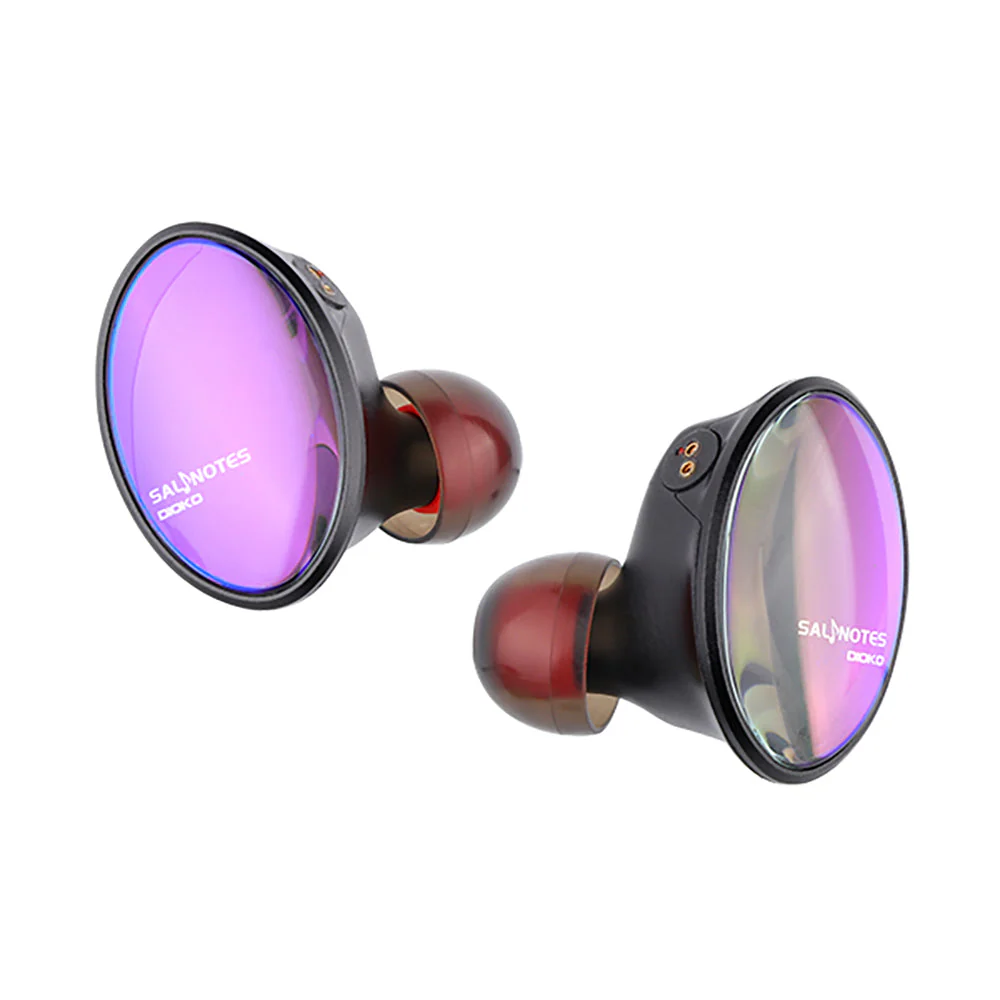
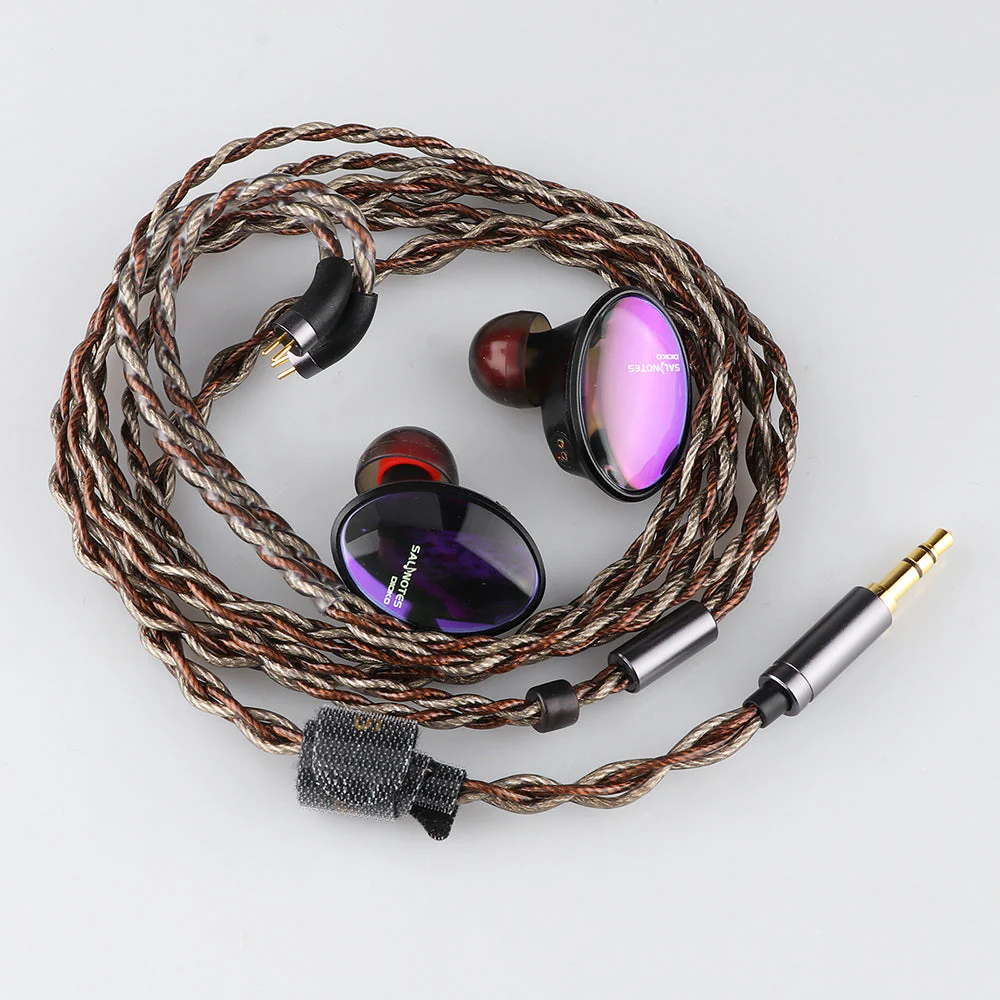
The Salnotes Dioko is a fascinating budget planar IEM—a rare treat at under USD 100. With Crinacle’s tuning and a 14.6 mm planar driver, it delivers a detailed, airy, clarity-focused signature that punches well above its price. While its bass and filter issues temper its perfection, it remains a strong reference choice for clarity-lovers and entry audiophiles.
Feature
Specification
Driver Setup
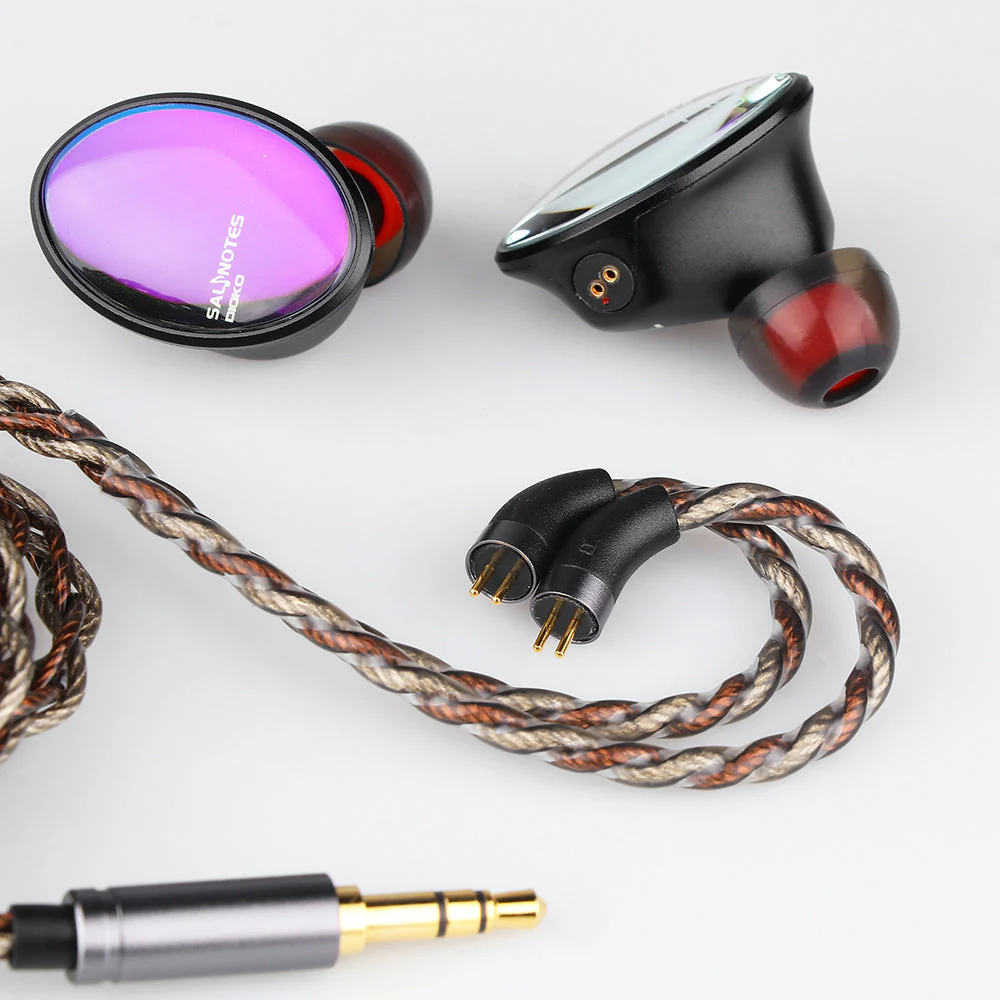
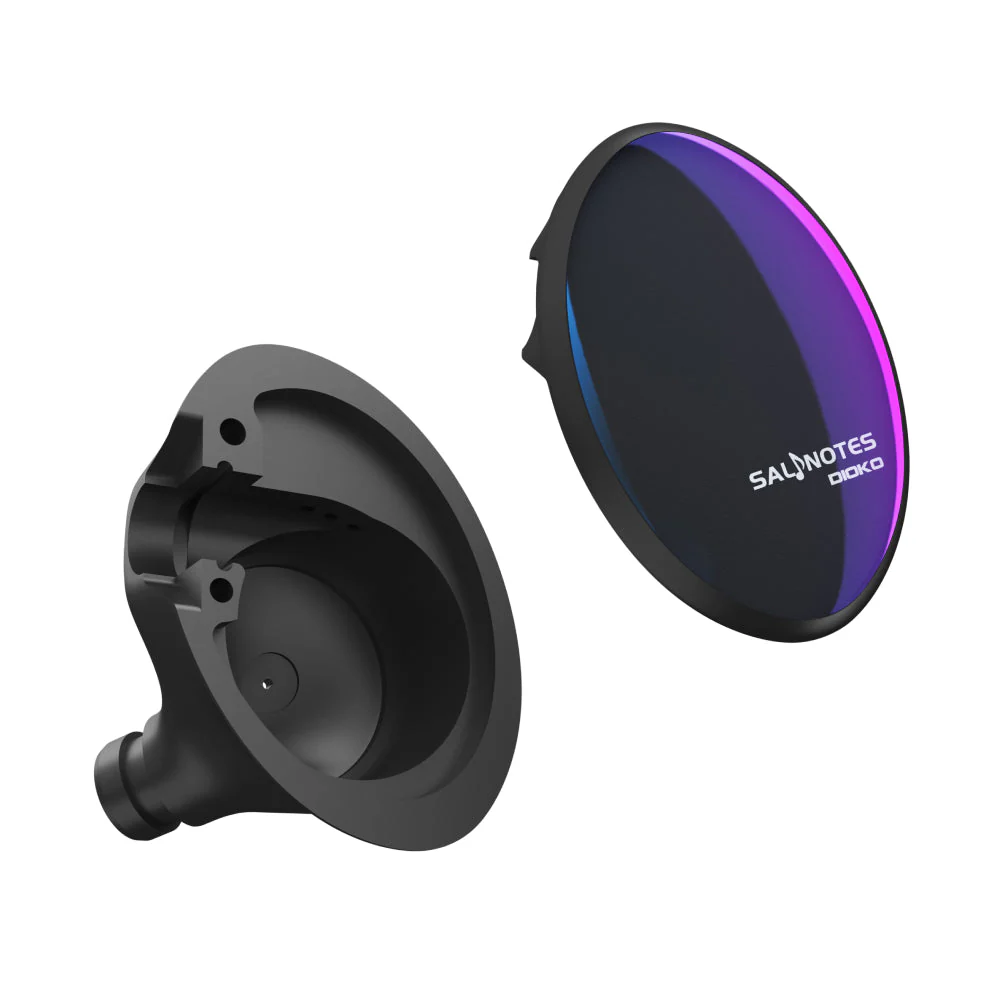
14.6 mm planar magnetic diaphragm (dual‑cavity, double‑sided N55 magnet)
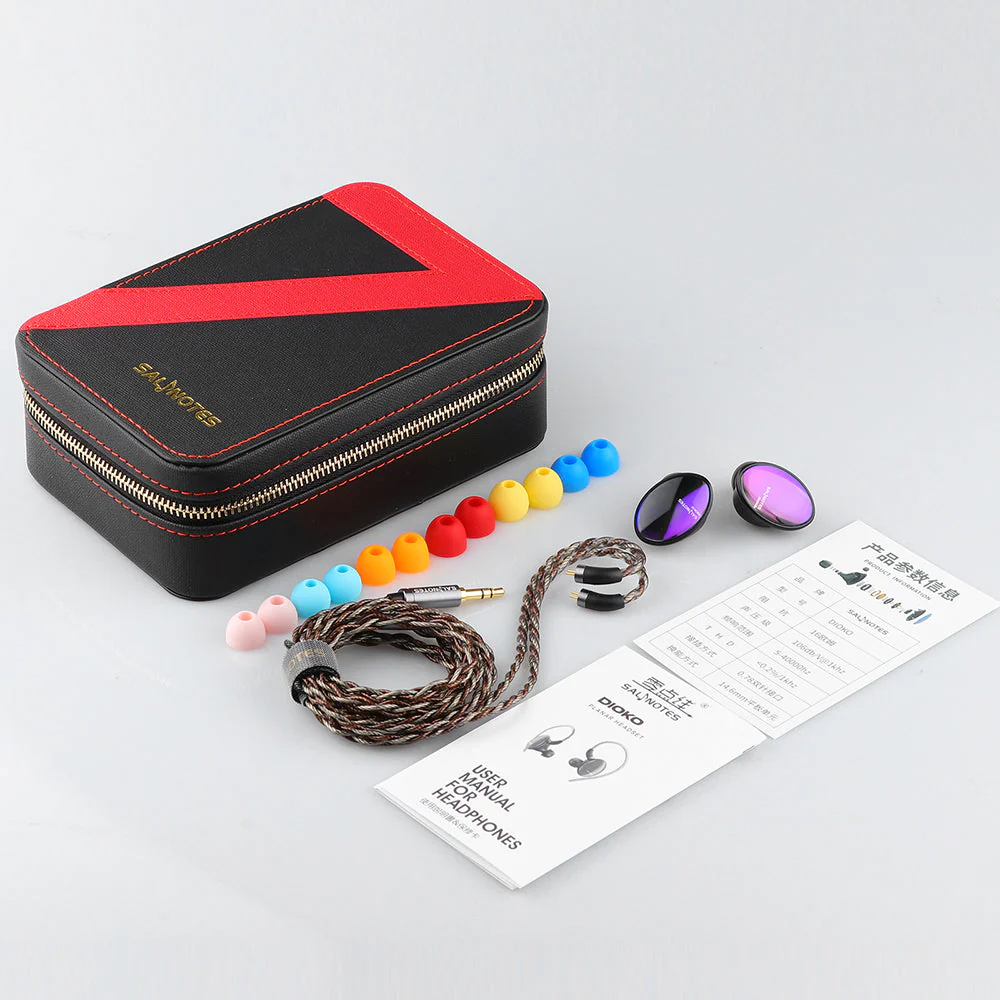
Case: Oversized premium aluminum/glass carrying case — impressively durable
MSRP at Launch: USD 99 (₱6 K locally)
Buy this on:
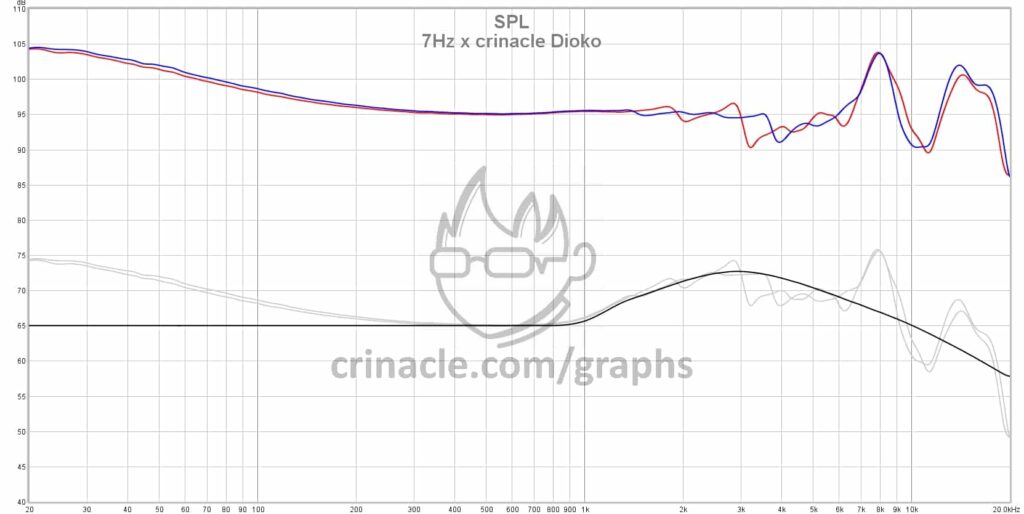
Red Line Bass: Slightly less extended compared to blue; sub‑bass roll‑off is gentler, giving a slightly warmer low‑end presence. Mid‑bass remains clean with minimal bleed into mids.
Treble: Shows marginally lower peaks around 7–8 kHz, making it a touch smoother in brightness. Still airy, but less aggressive — good for treble‑sensitive listeners.
Blue Line Bass: Almost identical low‑end response but with slightly firmer sub‑bass presence — tighter but still lean overall. Both lines stay neutral rather than bass‑boosted.
Treble: Peaks are slightly more pronounced around 7–8 kHz and 10 kHz, adding extra sparkle and perceived detail, but also more risk of sibilance. Best for those who like vivid treble energy.
Both lines share the same overall neutral‑bright signature; the red is subtly smoother and warmer, the blue a bit more energetic and detailed in the highs.
Pros
Cons
Clean, transparent planar sound with impressive detail at its price.
Bass lacks body and slam — leans toward reference, not fun.
Vibrant tuning with controlled mid‑forward presence for vocal clarity.
Treble peaks (7–8 kHz) can be sharp or sibilant on certain tracks.